Vitreous Floaters
Longstanding floaters can make reading, driving or screen work frustrating. Mr Henderson offers a careful assessment and a balanced discussion of monitoring and treatment. Sudden new floaters, flashes or a shadow in your vision need urgent eye assessment.
Understanding Vitreous Floaters
Floaters are shadows cast on the retina by condensations or opacities within the vitreous gel — the clear jelly that fills the eye. They appear as spots, threads, cobwebs, or rings that drift across the visual field, particularly noticeable against bright backgrounds such as a clear sky or white page.
The most common cause is a posterior vitreous detachment (PVD) — a normal age-related process in which the vitreous gel separates from the retinal surface, usually occurring in people over 50. The separation creates a ring-shaped condensation (Weiss ring) that can cause a prominent floater.
Most floaters caused by PVD are harmless. The brain gradually learns to ignore them, and for most patients they become less noticeable over several months.

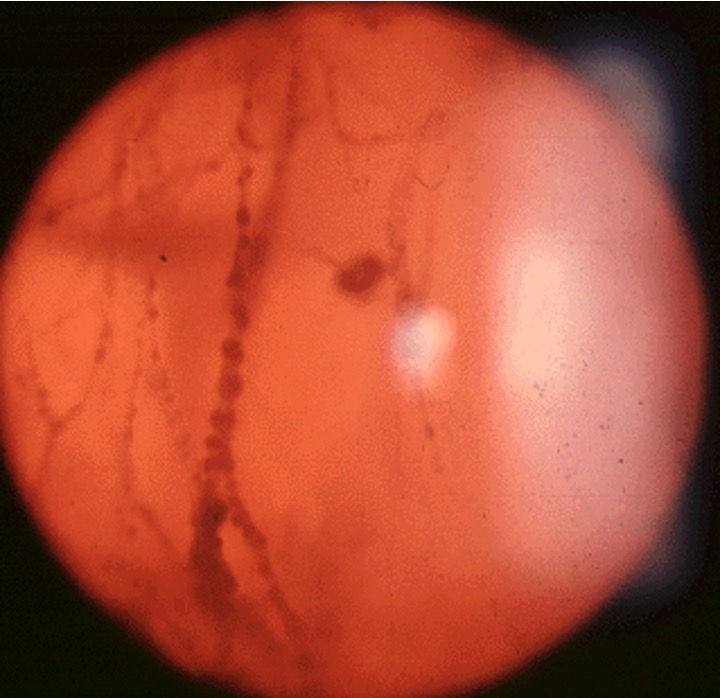
Severe or Symptomatic Floaters
A minority of patients have floaters that are sufficiently large, dense, or persistent that they cause significant and ongoing visual impairment. In these cases, vitrectomy surgery can be considered.
Vitrectomy removes the vitreous gel and its contents — including the floaters — and replaces it with a clear saline solution. In experienced hands it is highly effective at eliminating floaters. The risks of surgery must be carefully weighed against the impact of the floaters on quality of life.
“Surgery for floaters is not undertaken lightly — it carries small but real risks including cataract acceleration and retinal detachment. It is reserved for patients with genuinely significant and persistent visual disability.”
Frequently Asked Questions
Your Journey from Symptoms to Solution
New or sudden floaters warrant same-day assessment to exclude a retinal tear. Chronic floaters can be assessed at a routine appointment.
Not all floaters need treatment. Mr Henderson gives you a clear, honest assessment of whether surgery is warranted — and what realistic improvement to expect.
Minimally invasive vitrectomy at Moorfields — the most effective treatment for significant floaters. Performed personally by Mr Henderson as a day case.
Recovery and the degree of improvement vary between patients. Follow-up is structured and personal throughout your recovery.
Read verified patient reviews on Doctify
Making a decision about surgery
Your consultation will cover the potential benefits, risks of complications, alternatives and recovery. The likely result depends on your diagnosis, the health of your eye and any previous treatment. An assessment does not commit you to an operation.
Arrange a Consultation
Discuss your symptoms, ask questions and understand your options before deciding on treatment.
To arrange an assessment for floaters, please contact the practice secretaries:
07762 112552 or 07974 015691 · moorfields.rhenderson@nhs.net
Or use the contact form on this website.