Age-Related Macular Degeneration (AMD) — London Specialist
A diagnosis of macular degeneration raises understandable questions about your sight and treatment. Mr Henderson offers assessment, retinal imaging and advice about monitoring or injection treatment where appropriate, with an explanation of the next steps for your eyes.
What is AMD?
AMD affects the macula — the central part of the retina responsible for sharp, detailed vision. It is caused by ageing changes to the retinal pigment epithelium and the tiny blood vessels beneath it, leading to the gradual loss of the photoreceptors responsible for central vision.
Peripheral vision is preserved in AMD. Most patients retain enough vision to manage independently, but lose the ability to read, recognise faces, and see fine detail.
Dry AMD
The more common form. Characterised by drusen (yellow deposits) and areas of geographic atrophy. Progresses slowly over years. No injection treatment is currently available in the UK, though supplements may slow progression in some patients.
Wet AMD
Caused by abnormal new blood vessel growth (choroidal neovascularisation) beneath the retina. These vessels leak fluid and blood, causing rapid central vision loss. Highly treatable with anti-VEGF injections if caught early.
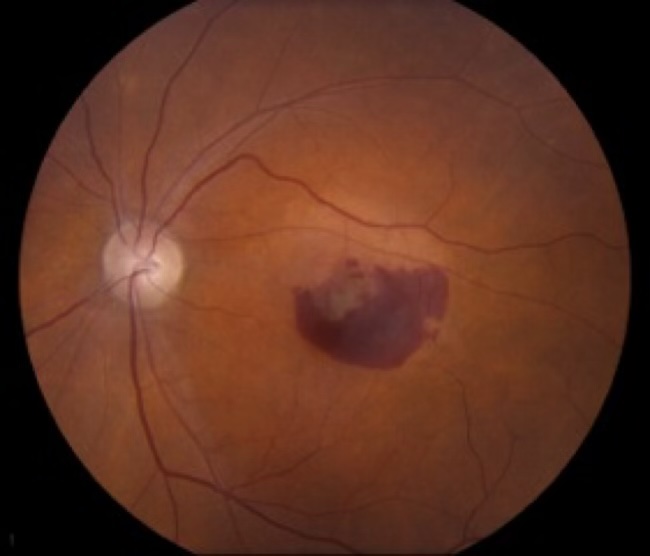
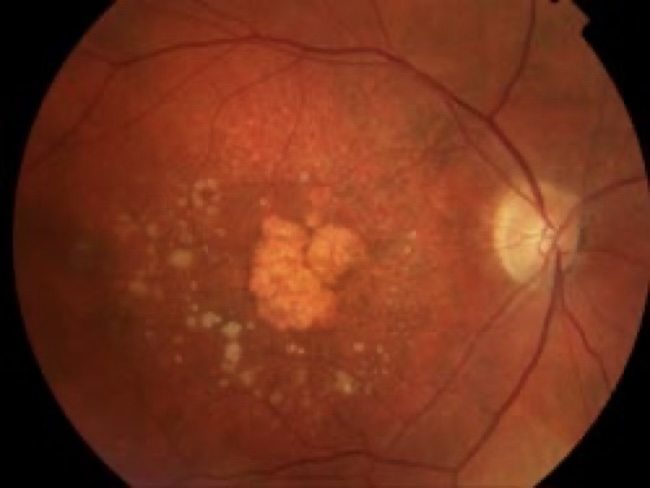
Symptoms of Macular Degeneration (AMD)
Dry AMD typically causes slowly progressive blurring or distortion of central vision — straight lines may look wavy, and faces or text become difficult to make out. Wet AMD can cause sudden, rapid deterioration — a new dark patch, sudden blurring or rapid onset of distortion in central vision.
Key symptoms include difficulty reading or recognising faces, straight lines appearing bent or wavy (metamorphopsia), a blurred or dark area in the centre of vision, and colours appearing less vivid. Peripheral vision and the ability to walk around safely are preserved.
“If you notice a sudden change in your central vision — new distortion, blurring, or a dark patch — you should seek an urgent ophthalmology assessment the same day or the following morning.”
Anti-VEGF Injections for Wet AMD
Wet AMD is treated with intravitreal injections of anti-VEGF (anti-vascular endothelial growth factor) drugs. These block the abnormal blood vessel growth responsible for leakage and vision loss. Regular injections — typically monthly at first — stabilise the condition and frequently result in improvement in vision.
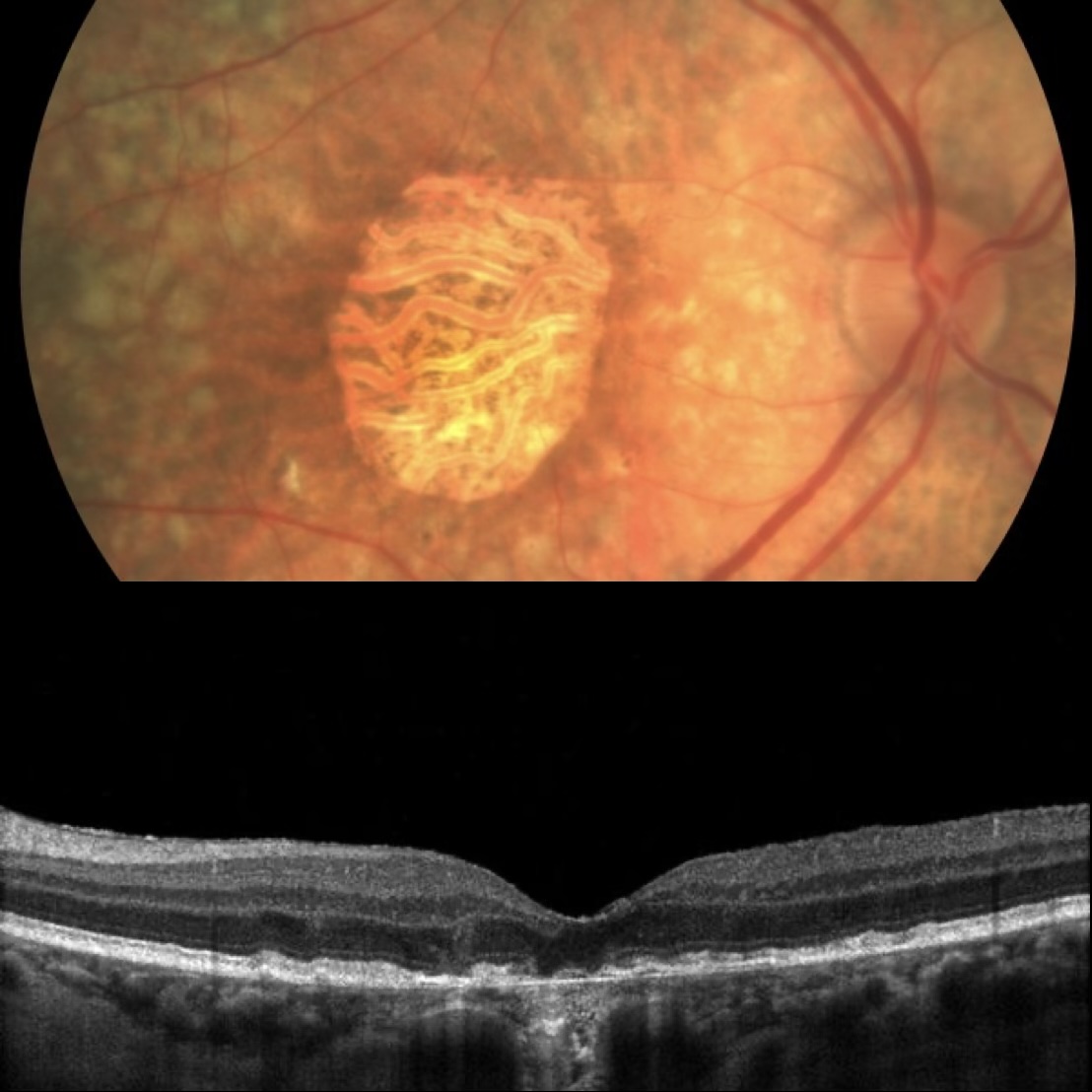
Treatment is ongoing. The frequency of injections is gradually reduced as the condition stabilises, guided by regular OCT scans of the macula. Most patients require long-term monitoring and intermittent treatment.
Mr Henderson provides a full assessment, diagnosis, and management plan, and works closely with the AMD service at Moorfields to ensure continuity of care.
Frequently Asked Questions
Your Journey from Diagnosis to Care
Prompt assessment for new or worsening symptoms, with examination and retinal imaging as appropriate. Contact an urgent eye service for sudden changes in vision.
Mr Henderson tailors treatment to your specific type of AMD — whether monitoring, injection therapy, or referral for specialist care.
Injection therapy (anti-VEGF) performed at Moorfields Eye Hospital. Fast, well-tolerated, and highly effective for wet AMD.
Regular OCT monitoring tracks your response and guides treatment intervals. Mr Henderson follows your care personally throughout.
Read verified patient reviews on Doctify
Arrange a Consultation
Discuss your symptoms, ask questions and understand your options before deciding on treatment.
To arrange an assessment for AMD, please contact Alison Anscombe, Mr Henderson’s secretary:
07762 112552 or 07974 015691 · moorfields.rhenderson@nhs.net
Or use the contact form on this website.