Retinal Detachment
What is Retinal Detachment?
The retina is a thin, light-sensitive layer of tissue lining the inside of the eye. It converts incoming light into electrical signals that are transmitted via the optic nerve to the brain, where they are interpreted as vision. For the retina to function, it must remain in close contact with the underlying retinal pigment epithelium (RPE), from which it receives oxygen and nutrients.
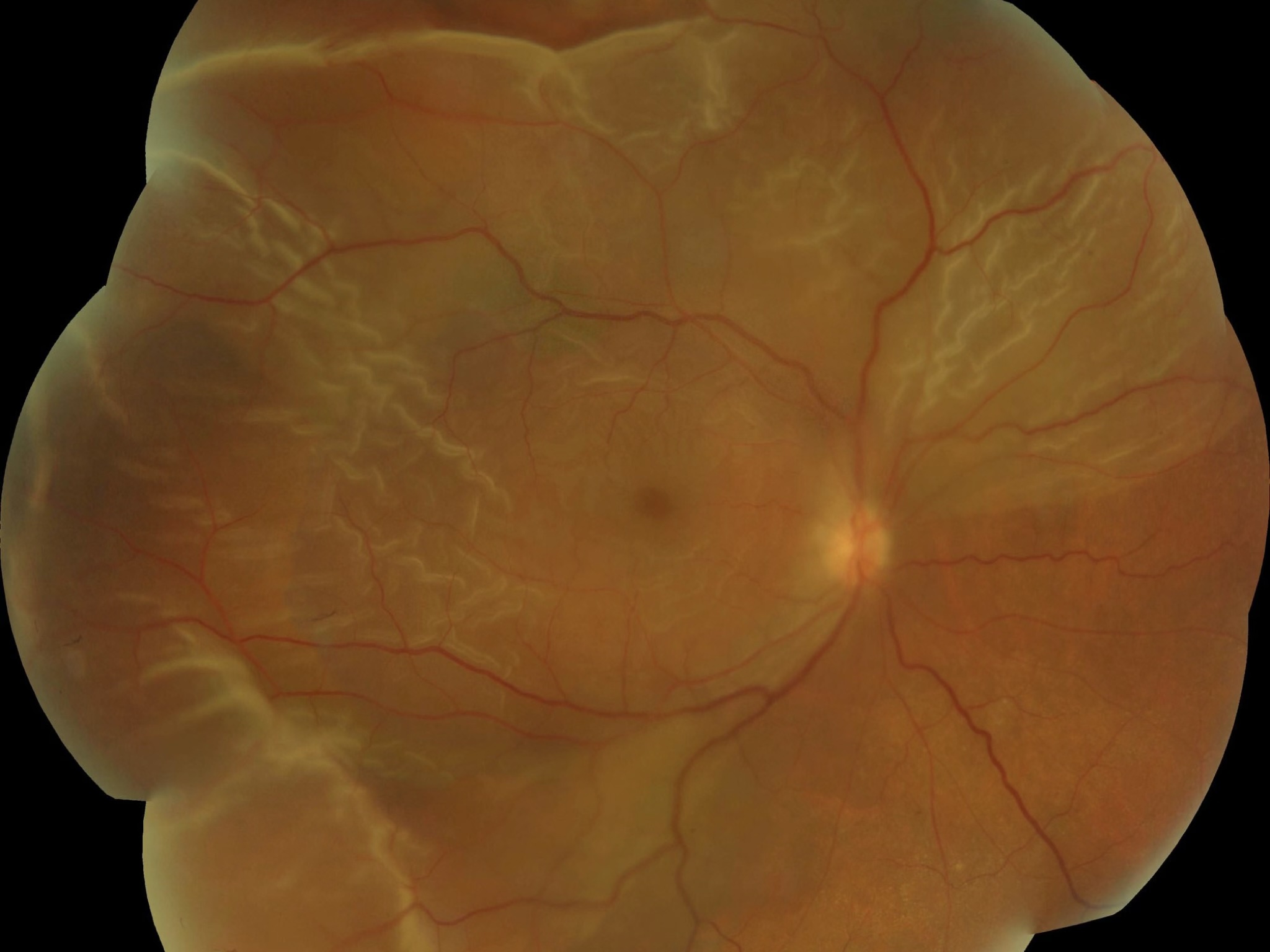
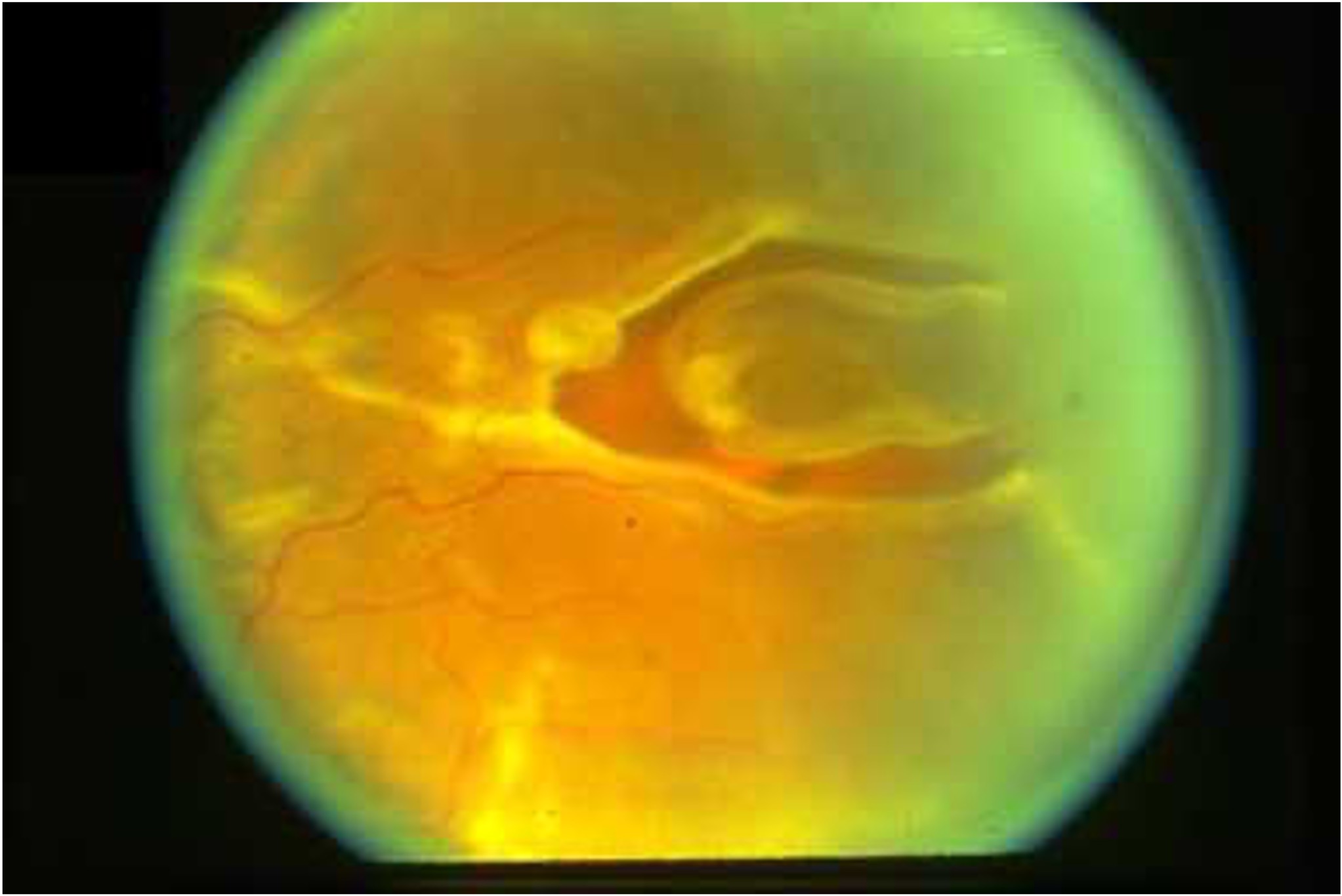
Retinal detachment occurs when the retina separates from this underlying layer. Once detached, the photoreceptors are deprived of their blood supply and begin to deteriorate. The longer the detachment is present — and the larger the area of retina involved — the greater the damage and the worse the eventual visual outcome, even after successful reattachment.
Types of Retinal Detachment
Rhegmatogenous Retinal Detachment
This is the most common type, caused by a tear or break in the retina through which liquid vitreous passes, accumulating beneath the retina and progressively lifting it away from the eye wall. Rhegmatogenous detachments typically arise when the vitreous gel pulls away from the retinal surface — a normal ageing process called posterior vitreous detachment (PVD) — but does so in a way that tears the retina rather than separating cleanly. Short-sightedness (myopia), previous eye surgery, trauma, and a family history of retinal detachment all increase the risk.
Tractional Retinal Detachment
Tractional detachments occur when fibrous membranes on the retinal surface — most commonly a consequence of proliferative diabetic retinopathy — contract and physically pull the retina away from the eye wall. There is no tear in the retina; instead, the detachment is driven by mechanical traction. These cases require vitrectomy to relieve the traction and, in many cases, are among the most technically demanding operations in vitreoretinal surgery.
Exudative Retinal Detachment
Exudative (or secondary) detachments arise when fluid accumulates beneath the retina without a tear or traction — usually as a result of inflammation, vascular disease, or an intraocular tumour. The primary treatment is directed at the underlying cause rather than the detachment itself, and surgery on the detachment is not always required.
Paediatric Retinal Detachment
Retinal detachment in children is uncommon but presents particular challenges. It is more frequently associated with underlying conditions such as familial exudative vitreoretinopathy (FEVR), Stickler syndrome, retinopathy of prematurity, or trauma than in adults, and the vitreous in a child’s eye has very different properties from that of an adult — making surgery considerably more demanding. As Clinical Lead for Ophthalmology at Great Ormond Street Hospital, I manage paediatric retinal detachment regularly and bring specialist expertise to these complex cases. Paediatric retinal surgery is performed at GOSH.
Warning Symptoms — Act Immediately
The classic warning signs of retinal detachment include:
- A sudden increase in floaters — particularly a dense shower of new spots or strings
- Flashing lights — brief arcs or flickers, often in the peripheral vision
- A dark shadow or curtain advancing from one side of the visual field
- A sudden deterioration in central vision — suggesting the macula has become involved
Floaters and flashes are common and often benign, arising from normal vitreous ageing. However, a sudden dramatic change — particularly a dense new shower of floaters — always warrants same-day assessment to exclude a retinal tear or early detachment.
Macula-On versus Macula-Off Detachment
One of the most important distinctions in retinal detachment is whether the macula — the central retina responsible for detailed vision — remains attached or has been detached. This has a profound impact on the urgency of surgery and the likely visual outcome.
When the macula is still attached ( macula-on ), surgery should be performed as an emergency — ideally within 24 hours — to prevent the detachment from progressing to involve the centre. Patients who are operated on before the macula detaches have an excellent chance of preserving their pre-existing level of central vision.
When the macula has already detached ( macula-off ), the urgency is somewhat reduced — there is less to be gained by operating in the middle of the night compared to the following morning — but surgery should still take place within days rather than weeks. The central vision has already been affected, and while surgery can often restore useful vision, full recovery to the pre-detachment level is less predictable. The duration of macular detachment matters: the sooner surgery is performed, the better the chances of meaningful central visual recovery.
Surgical Treatment
There is no non-surgical treatment for rhegmatogenous or tractional retinal detachment. The goal of surgery is to close all retinal breaks, relieve any traction, and reattach the retina permanently. The surgical approach is selected based on the type, location, and complexity of the detachment, and on the characteristics of the individual eye.
Vitrectomy (Pars Plana Vitrectomy)
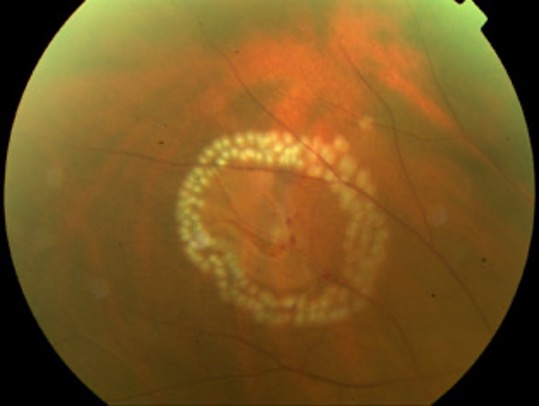
Vitrectomy is the most widely used approach for retinal detachment repair and is suitable for the majority of cases. Through three 25-gauge ports in the white of the eye, the vitreous gel is removed, retinal breaks are identified and treated with laser or cryotherapy, and the subretinal fluid is drained. The eye is then filled with a tamponade agent — either a gas bubble or silicone oil — to hold the retina in position while it heals.
Gas is used in most cases, with the choice of gas (SF6, C2F6, or C3F8) depending on the size and location of the detachment and the anticipated duration of tamponade required. Positioning after surgery — typically face-down or to one side — is important to ensure the gas bubble sits against the repaired area of retina. You will be given clear written instructions about the position to adopt and how long to maintain it.
In complex cases — including those involving severe proliferative vitreoretinopathy (PVR), giant retinal tears, or tractional detachments — silicone oil may be used as a longer-term tamponade. Silicone oil provides stable support over many months and does not restrict flying or altitude, but requires a further planned procedure to remove it once the retina is securely healed.
Scleral Buckle
A scleral buckle is a band or segment of silicone material sutured to the outside of the eye wall, which indents the sclera inward to bring the eye wall into contact with the detached retina and close the underlying break. It is a highly effective technique — particularly for certain patterns of detachment, younger patients with good lens clarity, and cases where vitrectomy may carry a higher risk — and remains an important part of the vitreoretinal surgical repertoire. Unlike vitrectomy, it leaves the vitreous gel undisturbed and does not require a gas bubble.
Combined Vitrectomy and Scleral Buckle
In selected cases — most commonly in children, where the adherent vitreous and complex detachment configurations of conditions such as FEVR or Stickler syndrome benefit from the additional peripheral support a buckle provides — vitrectomy and scleral buckling may be combined. In adult practice this combined approach is used only rarely, in cases with specific anatomical indications. The decision is always guided by the individual characteristics of the eye and the detachment.
Pneumatic Retinopexy
Pneumatic retinopexy is a minimally invasive technique in which a small gas bubble is injected into the vitreous cavity to seal a retinal break, combined with laser or cryotherapy to create a permanent adhesion. It is applicable only to a narrow subset of cases — typically straightforward detachments caused by a single superior round hole — and forms a small part of my practice. For the right patient it avoids the need for a formal operating theatre procedure; if unsuccessful, vitrectomy remains an option. The majority of retinal detachments are better served by primary vitrectomy, which offers more reliable closure rates across a wider range of detachment configurations.
Recovery and Visual Outcomes
Anatomical reattachment is achieved in approximately 85–90% of cases with a single operation, rising to over 95% with further surgery if required. Achieving anatomical success is the essential first step, but visual recovery — particularly of central vision — depends on whether and for how long the macula was detached before surgery.
For macula-on detachments repaired promptly, the majority of patients retain good central vision. For macula-off detachments, central vision typically improves following surgery but may take many months to stabilise, and a full return to pre-detachment levels cannot always be guaranteed. Peripheral vision generally recovers more reliably than central vision in these cases.
Risks of Surgery
- Failure to reattach / re-detachment — further surgery is usually possible and successful
- Proliferative vitreoretinopathy (PVR) — scar tissue formation on the retinal surface that can cause re-detachment; the most common cause of surgical failure in complex cases
- Raised intraocular pressure — the gas bubble can cause a temporary rise in eye pressure requiring treatment; in rare cases this may contribute to glaucoma-related damage
- Cataract — very common following vitrectomy in patients who retain their natural lens
- Infection (endophthalmitis) — rare but serious
- Double vision — more common following scleral buckle surgery; usually temporary
- Loss of vision — despite best efforts, severe or longstanding detachments may result in limited visual recovery
Private Retinal Detachment Surgery in London
Retinal detachment requires prompt access to an experienced vitreoretinal surgeon and a fully equipped operating theatre. Private surgery is currently available at Moorfields Eye Hospital , with urgent and emergency cases accommodated as a priority. From September 2026, adult vitreoretinal surgery including retinal detachment repair will be available at 1 Welbeck, Marylebone , which will become the principal centre for my private surgical practice.
Paediatric retinal detachment surgery is performed at Great Ormond Street Hospital .
If you are experiencing symptoms that concern you, please do not wait. Contact Alison Anscombe directly for an urgent assessment — retinal detachment does not wait, and neither should you.
Urgent and Routine Enquiries
To arrange an urgent or routine assessment for retinal detachment, please contact my secretary Alison Anscombe:
📞 +44 7974 015691 | 📧 [email protected]
Or use the contact form on this website .
If you cannot reach us, please attend your nearest eye casualty department or A&E without delay.
Mr Robert Henderson BSc MBBS MD FRCOphth is a Consultant Vitreoretinal Surgeon at Moorfields Eye Hospital and Great Ormond Street Hospital, and Clinical Lead for Ophthalmology at GOSH